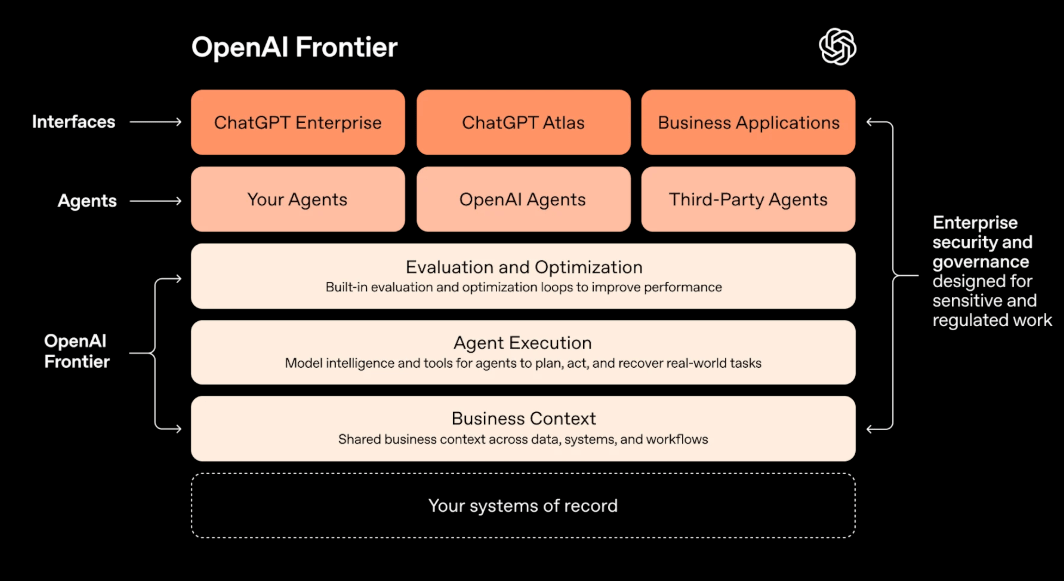
OpenAI Frontier represents one of the most important shifts in artificial intelligence since the rise of conversational AI. While most AI products today function as assistants that respond to prompts, Frontier introduces something fundamentally different: autonomous AI agents capable of operating like coordinated digital coworkers. Built as an enterprise-scale AI orchestration platform, Frontier enables multiple AI agents to collaborate, share memory, execute workflows, and interact with software systems with minimal human intervention.
What makes Frontier especially compelling is that it moves beyond the “chatbot” paradigm. Instead of simply generating text or answering questions, Frontier agents can conduct research, manage operations, create marketing campaigns, analyze business performance, coordinate tasks, and continuously update one another in real time.
The result feels less like using a single AI tool and more like managing an intelligent organization powered by autonomous systems.
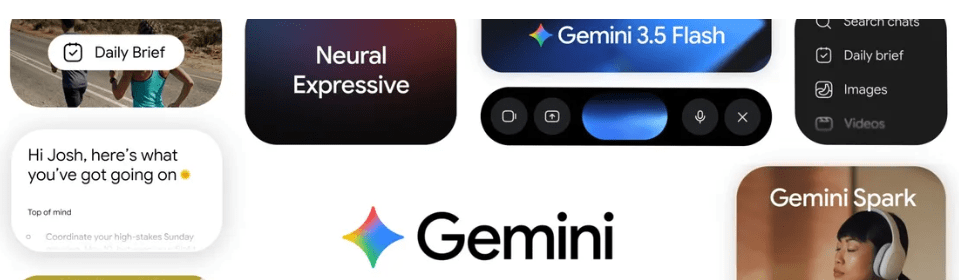
So for those in our community who may have missed this – Google has introduced a new feature today called “Daily Brief”, an AI-powered productivity agent within its Gemini app.
The tool is designed to deliver personalized morning digests by scanning Gmail, Calendar, and Gemini chats to highlight urgent updates, prioritize tasks, and suggest next steps. Announced at Google I/O 2026, Daily Brief is now rolling out to US subscribers of Gemini Plus, Pro, and Ultra, marking a significant step in Google’s shift toward proactive AI assistance.
But is it Different From the Rest of the Pack?
So the real question here is – does this new agentic AI truly stand apart from other agentic AI tools already in the market? At its core, Daily Brief offers a personalized morning digest by pulling information from Gmail, Calendar, and Gemini chats, then suggesting immediate actions. But this is similar in spirit to Microsoft Copilot’s daily briefing emails, which summarize meetings, tasks, and emails, and maybe even to Apple’s rumored AI assistant, expected to integrate deeply with iOS productivity apps.
Where Daily Brief differs, say some, is in its agentic design. Unlike Copilot, which primarily delivers static summaries, Google’s tool emphasizes proactive orchestration, from suggesting replies, scheduling events, and learning from user feedback to refine future briefs. It also integrates with Gemini Spark, a 24/7 agent capable of executing tasks across Google Workspace and third-party apps, positioning Daily Brief as part of a larger, continuous AI ecosystem rather than a standalone feature.
However, the distinction may blur in practice. There are other assistants already offer contextual task suggestions, and startups like Notion AI and Reclaim provide similar proactive planning.
Google’s edge lies in its “Neural Expressive design language”, which makes briefs visually dynamic with graphics and narration, potentially enhancing engagement.
The Verdict For Now
Ultimately, Daily Brief is less a radical departure than a polished iteration. Its success will depend on whether users see value in Google’s integrated, ecosystem-first approach compared to competitors’ offerings.