Tag: Ai Ethics

  • How Money And Speed Are Affecting AI Safety

    How Money And Speed Are Affecting AI Safety

    Artificial intelligence (AI) is developing very quickly, but this growth is also creating concerns about safety and responsibility.

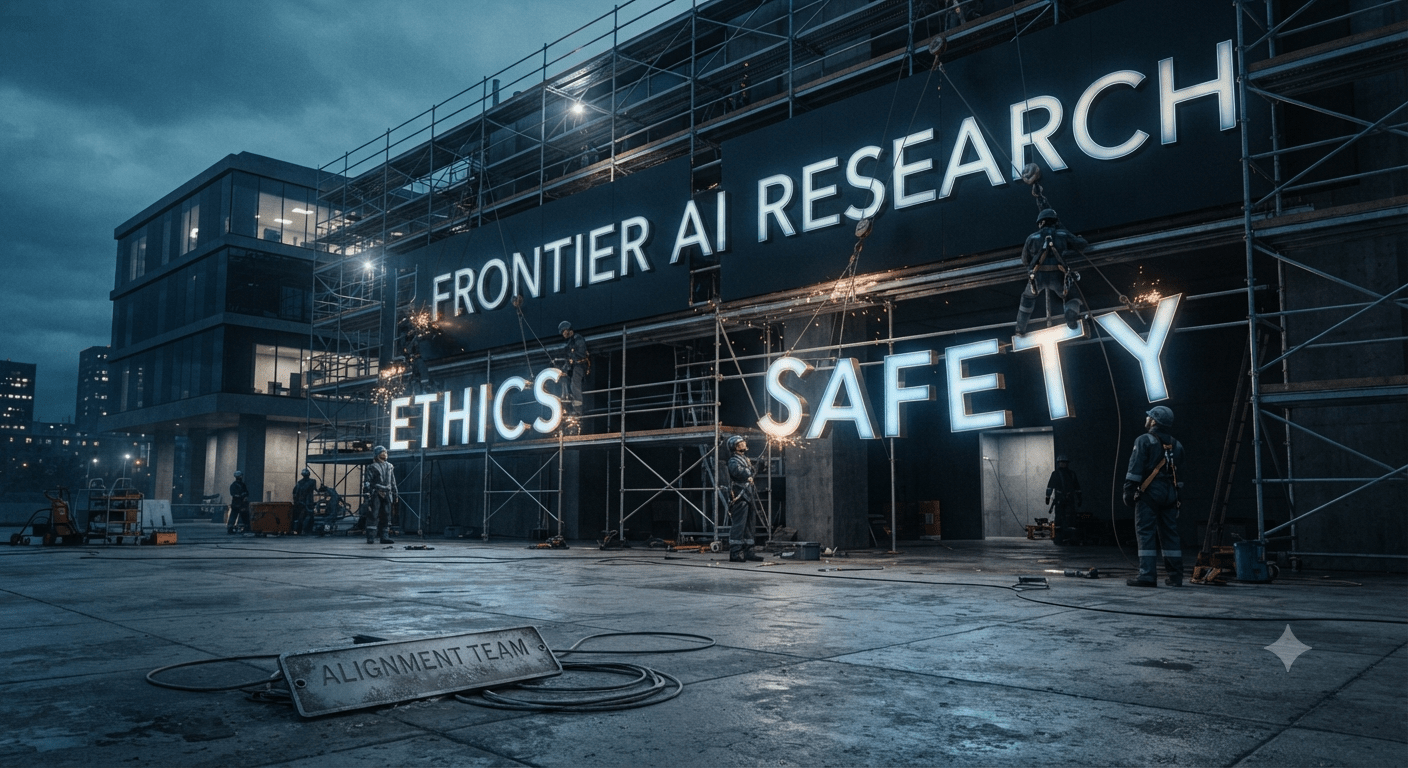
    My latest newsletter, “The Disappearing Watchdogs: How Commercial Pressure May Be Reshaping AI Accountability,” explains how business pressure may be affecting the way AI companies handle safety and ethics.

    Some major AI companies have reduced or reorganized teams that were specifically responsible for AI safety, alignment, and risk. These teams were created to identify possible dangers and make sure AI systems were developed responsibly. In some cases, safety responsibilities have been moved into regular engineering and product teams.

    All of this can create a conflict between speed and safety. AI companies face strong competition and pressure to release new products quickly. Engineers and product teams may therefore focus more on meeting deadlines and competing with other companies. When the same teams are responsible for both developing a product and checking its risks, independent safety checks may become weaker.

    So What It Means To You

    AI systems can be used to create scams, spread fake information, influence public opinion, and make decisions that affect areas such as employment, loans, and insurance. Without strong safety measures, these risks could become harder to control.

    AI safety should not depend only on companies policing themselves. Independent testing, auditing, benchmarking, and red-team exercises could provide additional protection.

    Summing up: there’s an important challenge before the AI industry: AI companies need to balance innovation and business growth with public safety. Developing AI quickly is valuable, but safety and ethical responsibility should remain an essential part of the process.

  • Three Ethical Ways You Can Use AI

    Three Ethical Ways You Can Use AI

    Artificial intelligence is becoming an integral part of our daily lives, from education and healthcare to business and creative work.

    However, using AI responsibly is just as important as leveraging its capabilities. Ethical AI use ensures that technology benefits individuals and society without causing harm. Here are three ethical ways to use AI.

    1. Use AI to Enhance Human Decision-Making, Not Replace It

    AI can analyze large amounts of data and identify patterns that humans might overlook. However, important decisions—especially in areas such as healthcare, hiring, education, and finance—should always involve human judgment.

    Ethical AI use means treating AI as a support tool that informs decisions rather than allowing it to make final choices without oversight.

    2. Protect Privacy and Personal Data

    When using AI tools, it is essential to respect privacy and data security. Avoid sharing sensitive or confidential information with AI systems unless you are certain that appropriate safeguards are in place.

    Organizations should be transparent about how they collect, store, and use data, ensuring compliance with privacy regulations and maintaining public trust.

    3. Promote Fairness and Transparency

    AI systems can unintentionally reflect biases present in their training data. Ethical users should critically evaluate AI-generated outputs, question potential biases, and strive for fairness in how AI is applied.

    Being transparent about when and how AI has been used also helps build accountability and trust among colleagues, customers, and stakeholders.

    Ultimately, ethical AI use is about balancing innovation with responsibility. By using AI to augment human capabilities, safeguarding privacy, and promoting fairness and transparency, we can ensure that these powerful technologies contribute positively to society while minimizing potential risks.