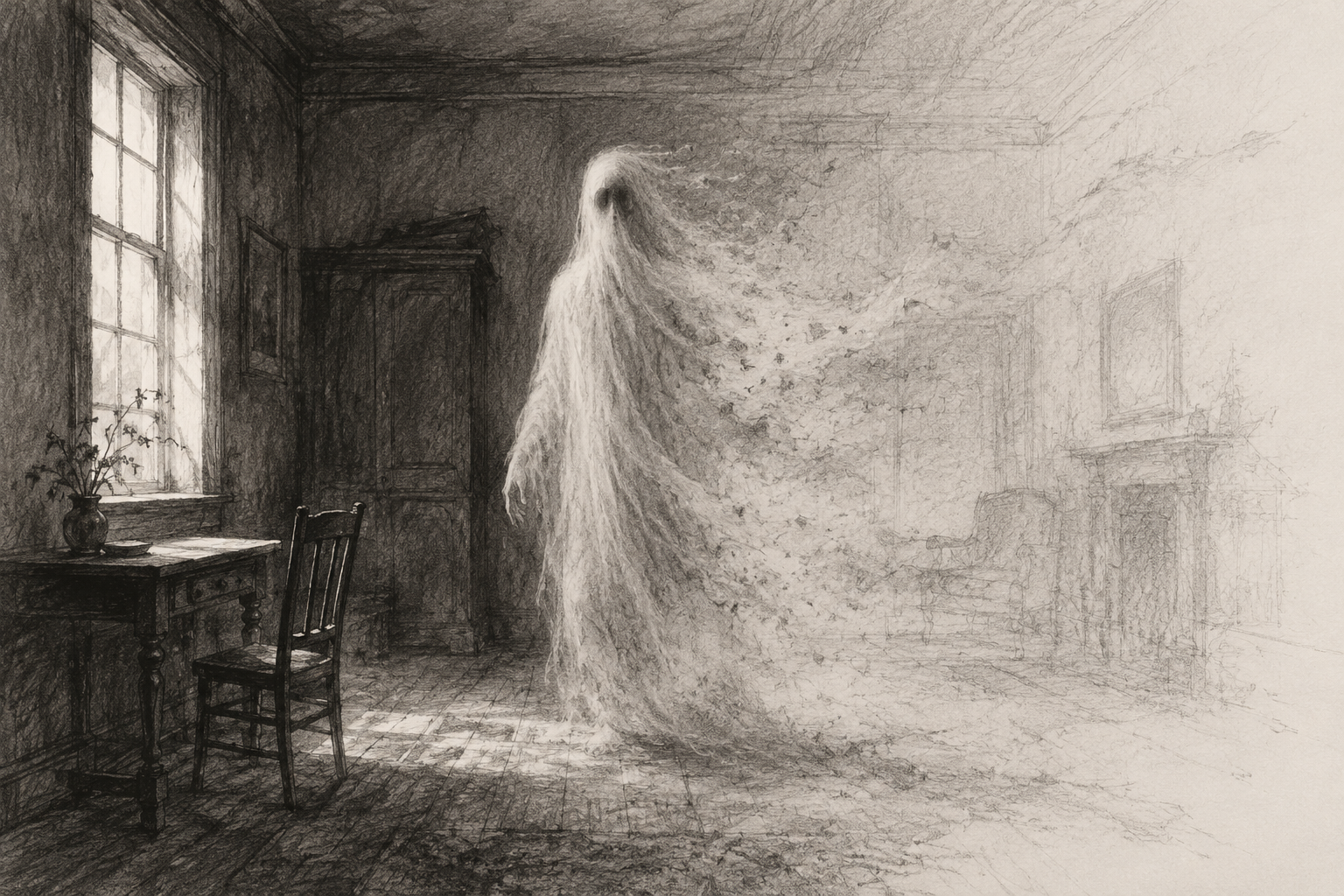
It’s AI Lingo time, folks.
Today, we try and understand what “Reality drift” means.
It describes the gradual erosion of the boundary between what is created by humans and what is generated by artificial intelligence (AI), making it increasingly difficult to distinguish authentic material from synthetic content.
The term applies to a world in which AI-generated images, videos, voices, articles and social media posts become sufficiently convincing that people can no longer rely on appearance, sound or writing style to establish whether something is real.
Reality drift is different from a conventional deepfake because it does not necessarily involve deliberate deception, and instead describes a broader change in the information environment.
As generative AI becomes embedded in search engines, social networks, advertising, entertainment and news production, synthetic material can become part of everyday communication without being clearly identified as machine-generated.
This creates a problem of accumulated uncertainty, because people may begin questioning genuine material as well as fabricated content.
A photograph of a political event, for example, can be dismissed as AI-generated even when it is authentic, while a synthetic image can acquire credibility simply because it appears plausible.
The effect is not only technological but psychological, as repeated exposure to synthetic media can change people’s expectations about what reality looks and sounds like.
Reality drift can also affect journalism, politics and personal relationships by weakening the evidential value of photographs, recordings and written testimony.
The central danger is therefore not that AI will make every piece of information false, but that it could make certainty increasingly difficult to achieve.