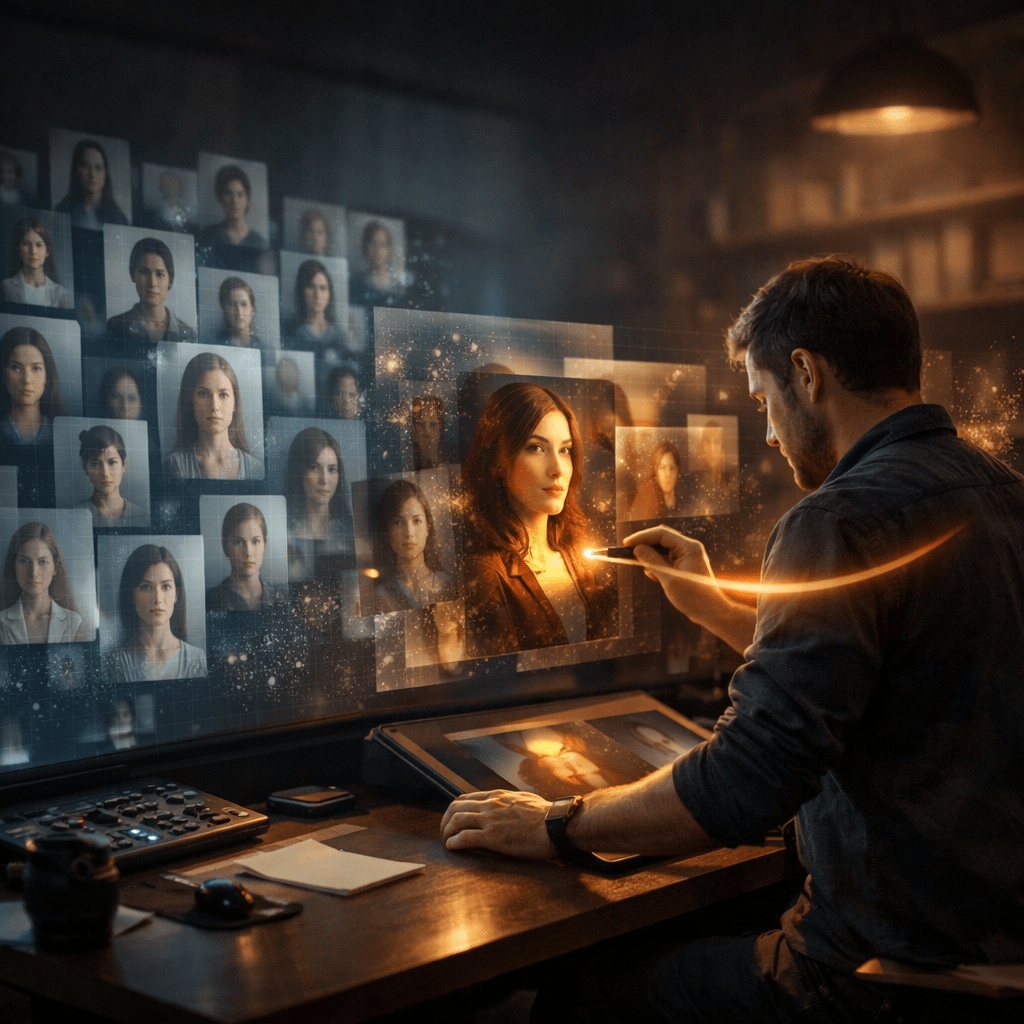
Artificial intelligence (AI) tools can now generate striking images and cinematic videos from simple text prompts. Platforms like Sora and other generative systems have made it possible for anyone to produce professional-looking visuals in minutes. But one major legal question continues to surface:
If you create an image or video using AI, is it copyrighted? And if someone else uses it without your permission, can you sue?
The answer is nuanced. Copyright law was built around human creativity, and AI challenges that foundation. Below is a comprehensive breakdown of how copyright currently applies to AI-generated works, especially in the United States, with notes on other jurisdictions.
Did you know “AI For Real” Is Also A Channel On WhatsApp?
1. The Core Principle: Copyright Requires Human Authorship
In the United States, copyright law is rooted in one fundamental requirement:
A copyrighted work must be created by a human author.
The US Copyright Office has repeatedly clarified that works produced without human authorship are not eligible for copyright protection.
This principle was reinforced in a widely discussed case involving Stephen Thaler. Thaler attempted to register an artwork created entirely by his AI system, claiming the AI as the author. The Copyright Office rejected the application because the work lacked human authorship. Courts upheld this decision.
So, purely machine-generated content — with no meaningful human creative input — is generally not protected under U.S. copyright law.