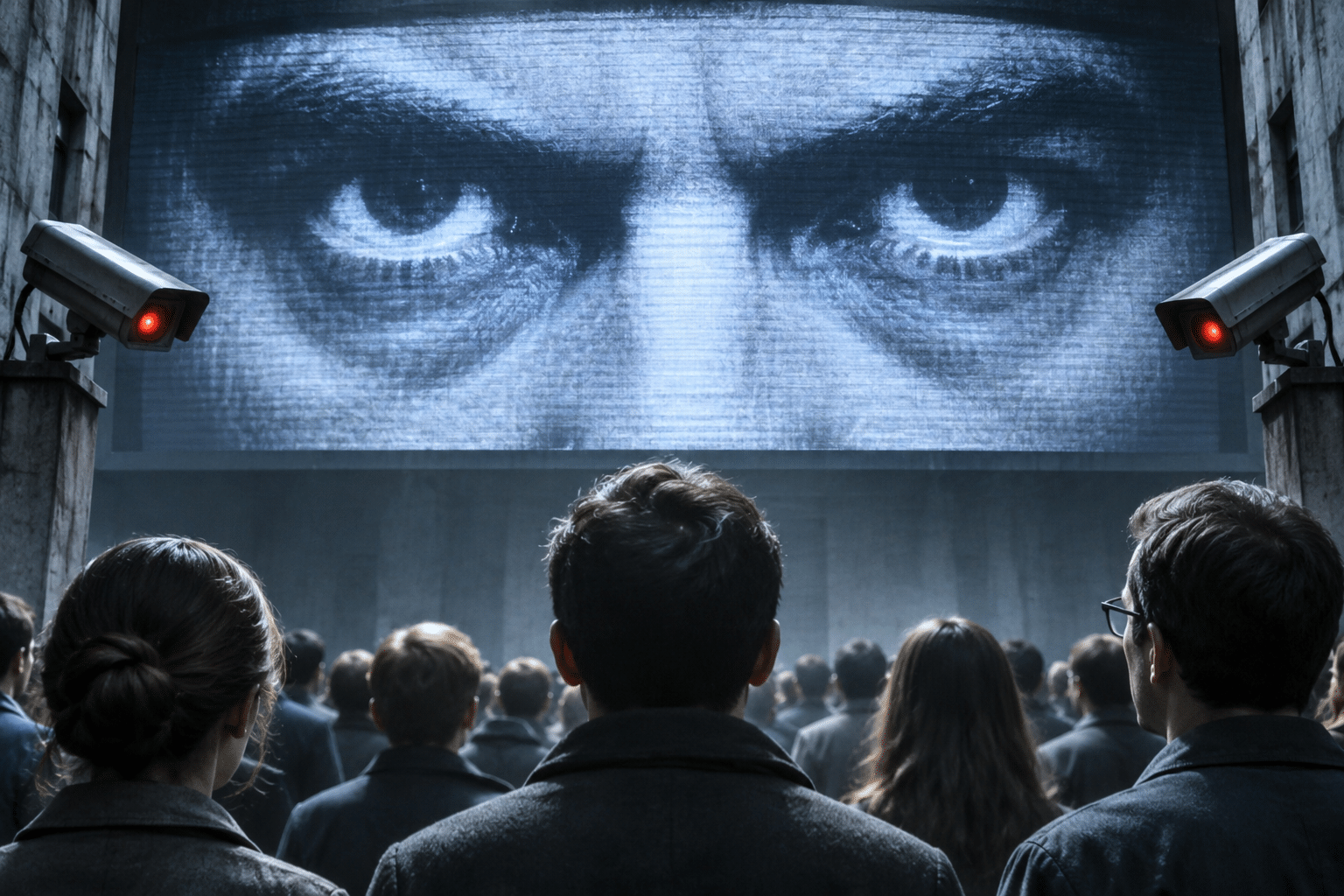
The rise of AI surveillance: how technology is turning everyday life into a monitoring exercise
Artificial intelligence (AI) is transforming surveillance from a system that simply records people’s movements into one that can identify individuals, analyze their behavior and potentially predict what they might do next.
From facial recognition cameras and workplace monitoring software to smart city infrastructure and smartphone applications, AI-powered surveillance is expanding the ability of governments and businesses to collect, interpret and act on personal information.
Unlike traditional CCTV, which relies largely on humans to review footage, AI-powered systems can scan thousands of images, identify faces, track movements and flag activities that algorithms classify as unusual.
For law enforcement agencies, these capabilities offer potential benefits in identifying suspects, locating missing people and improving public safety, but they also raise difficult questions about privacy, accuracy and accountability.
The technology is also changing the workplace, where employers can use AI tools to monitor employee activity, assess productivity, analyze communications and track performance.
Businesses can combine information from digital platforms, connected devices and purchasing histories to develop detailed consumer profiles, potentially influencing what people see, buy and experience online.
The risks extend beyond the collection of personal information, as facial recognition systems can produce inaccurate matches and biased training data can increase the likelihood of certain groups being misidentified.
Predictive policing presents another challenge, as algorithms trained on historical crime data could reinforce existing patterns of discrimination rather than provide objective assessments of criminal risk.
The European Union’s AI Act restricts real-time remote biometric identification in publicly accessible spaces for law enforcement, allowing limited exceptions subject to strict conditions and prior authorization.
However, regulation is struggling to keep pace with the rapid development and deployment of surveillance technologies, particularly as private companies and public authorities gain access to increasingly sophisticated analytical tools.
The fundamental issue is not whether AI surveillance can make societies safer, but who decides how the technology is used, what information it collects and how long that information is retained.
As surveillance becomes increasingly automated, protecting privacy will require more than data protection policies: it will demand transparency, independent oversight and meaningful accountability for those operating these systems.