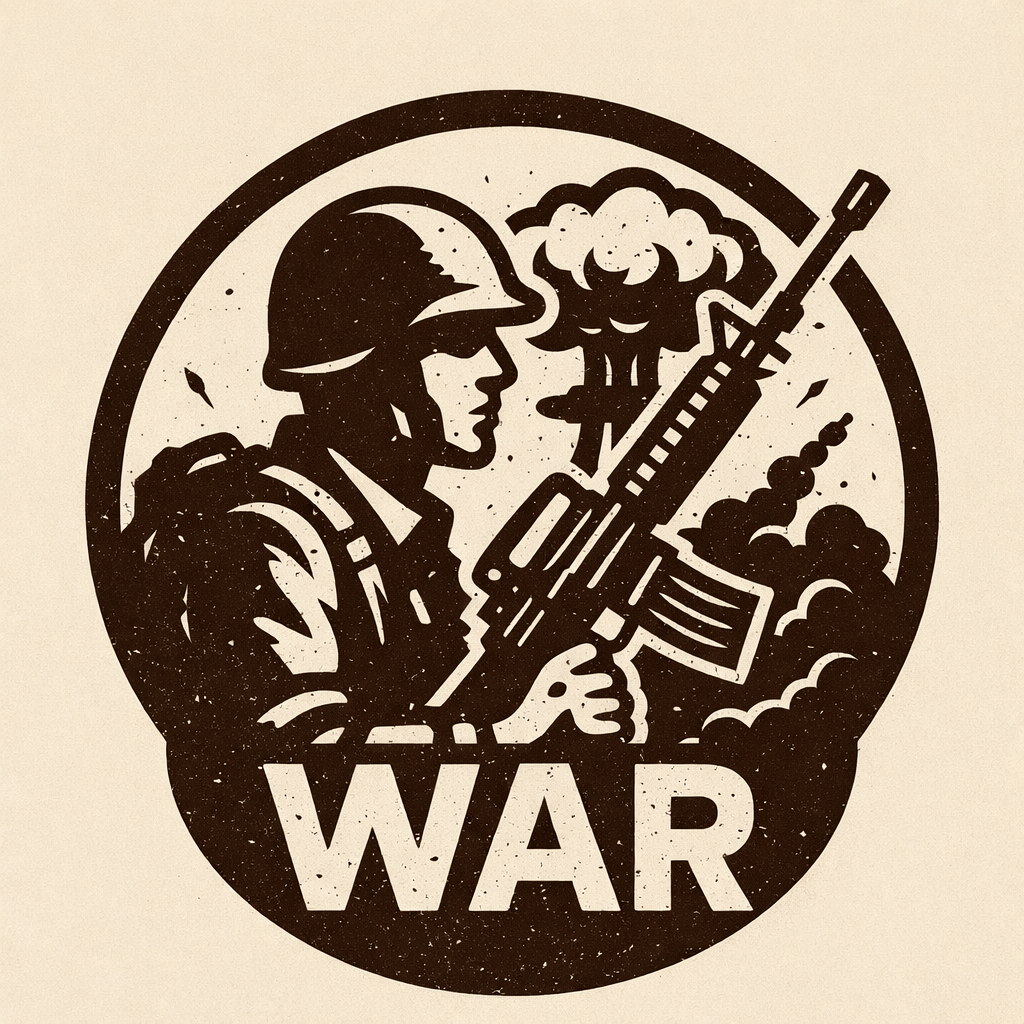
Artificial Intelligence (AI) has rapidly become a defining feature of modern military operations. Recent reports highlight that the U.S. military employed Anthropic’s Claude AI during strikes on Iran in 2026, using it for intelligence assessments, target identification, and battle simulations. Despite political controversy surrounding its use, this demonstrates how AI systems are now embedded in real-time decision-making and combat planning.
Globally, AI is reshaping warfare in several key ways. Autonomous drone swarms are increasingly deployed, capable of coordinating attacks with minimal human oversight. These systems can achieve high targeting accuracy, raising both strategic advantages and ethical concerns about lethal autonomous weapons (LAWS). AI also plays a central role in cyber warfare, where machine learning algorithms detect and counter intrusions faster than traditional defenses.

Did You Know “AI For Real” Is On LinkedIn?
Another critical application is predictive logistics and sustainment. Defence experts emphasize that AI can forecast equipment failures, optimize supply chains, and enhance readiness, ensuring that forces remain operational under pressure. Real-time intelligence analysis powered by AI accelerates decision cycles, allowing commanders to act with unprecedented speed and precision. This capability is particularly vital in complex conflicts, such as those seen in Ukraine, where AI-driven systems are tested extensively.
However, the rise of AI in warfare raises profound ethical and regulatory challenges. Concerns include accountability for autonomous strikes, risks of escalation, and the potential proliferation of AI weapons to non-state actors. Companies like Anthropic have resisted demands for unrestricted military use, citing dangers of mass surveillance and fully autonomous weapons.
In conclusion, AI is no longer a peripheral tool but a core element of modern warfare. It enhances efficiency, speed, and accuracy, yet simultaneously introduces new risks that demand urgent international regulation and ethical oversight.
Reference:
Here’s a list of references that were used to prepare the report on AI in warfare:
- NDTV. US Used Anthropic’s Claude AI In Iran Strikes Hours After Trump’s Ban: Report. (2026). Available at: NDTV World News
- Brookings Institution. Artificial Intelligence and the Future of Warfare. (Updated 2025). Analysis of AI’s role in autonomous weapons, logistics, and ethics.
- NATO Review. AI in Defence: Opportunities and Risks. (2025). Overview of military applications and regulatory challenges.
- Center for Strategic and International Studies (CSIS). AI and the Battlefield: Lessons from Ukraine. (2024–2025). Case studies on drone swarms and predictive analytics.
- MIT Technology Review. The Rise of Autonomous Weapons Systems. (2025). Discussion of lethal autonomous weapons and ethical debates.