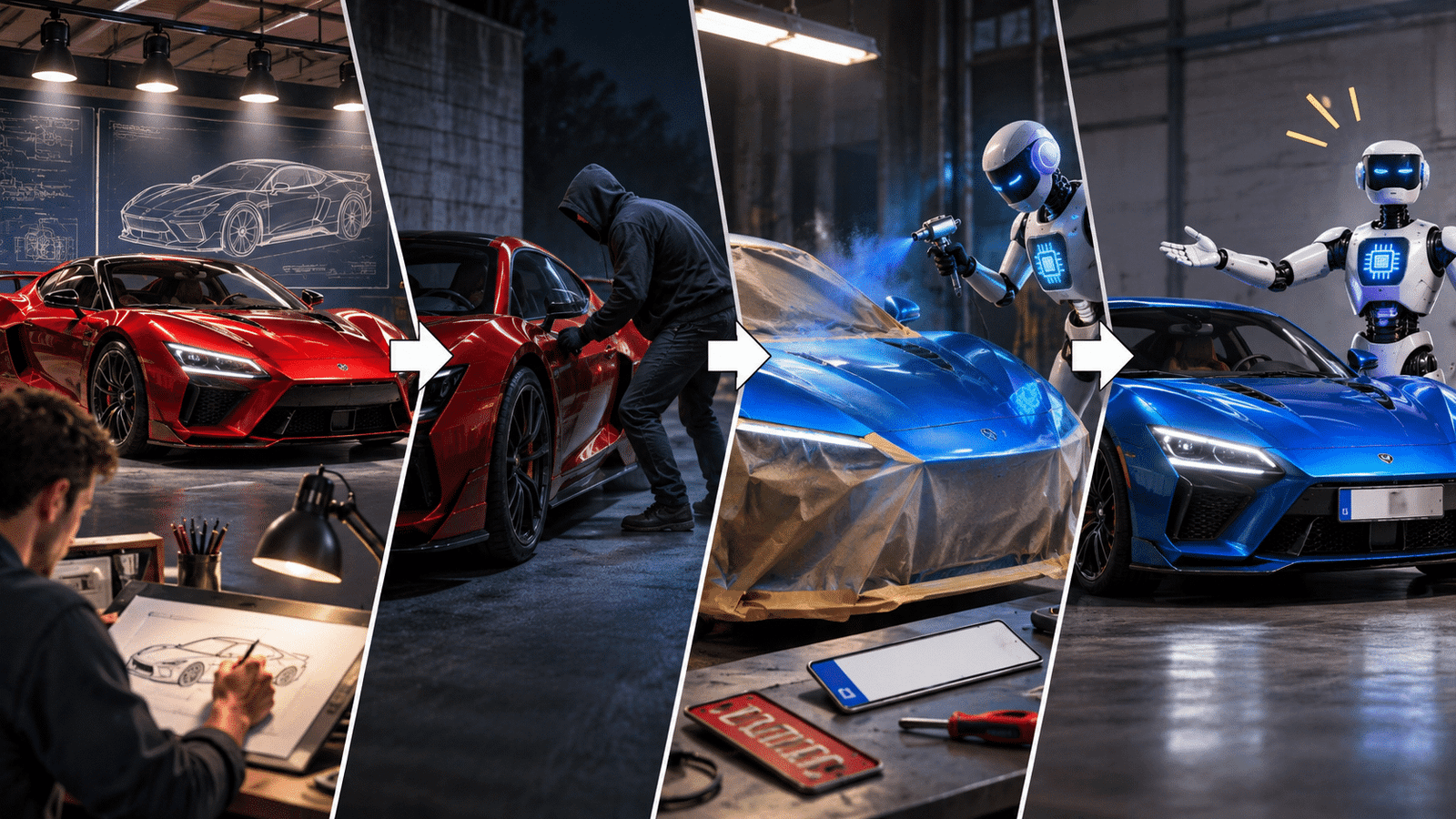
Think about the last video you spent days or weeks making. You stayed up late refining the hook, testing camera angles, nailing the pacing in the edit, and pouring your own personality into the delivery. Now imagine someone downloading that video, running it through a few artificial intelligence (AI) tools to swap your face for a synthetic avatar, cloning a new voice over your cadence, applying a stylized animation filter, and uploading it an hour later as their own original work.
This is “AI reskinning”, and it has quietly become one of the biggest threats to independent content creators.
If traditional text spinning was like photocopying someone’s essay and swapping out a few words with a thesaurus, AI reskinning is like stealing a custom-built sports car, giving it a fresh coat of paint, changing the license plates, and claiming you engineered it from scratch. On the surface, it looks like a brand-new video. Underneath the hood, every single part belongs to you.
Because AI video-to-video models and face-swapping tools have become so accessible, reskin farms are booming.
Many people doing it genuinely believe they have found a legal loophole. They have not, and understanding why is essential whether you are trying to protect your channel or deciding how to use AI in your own workflow.
To read the rest of our newsletter, click here.